
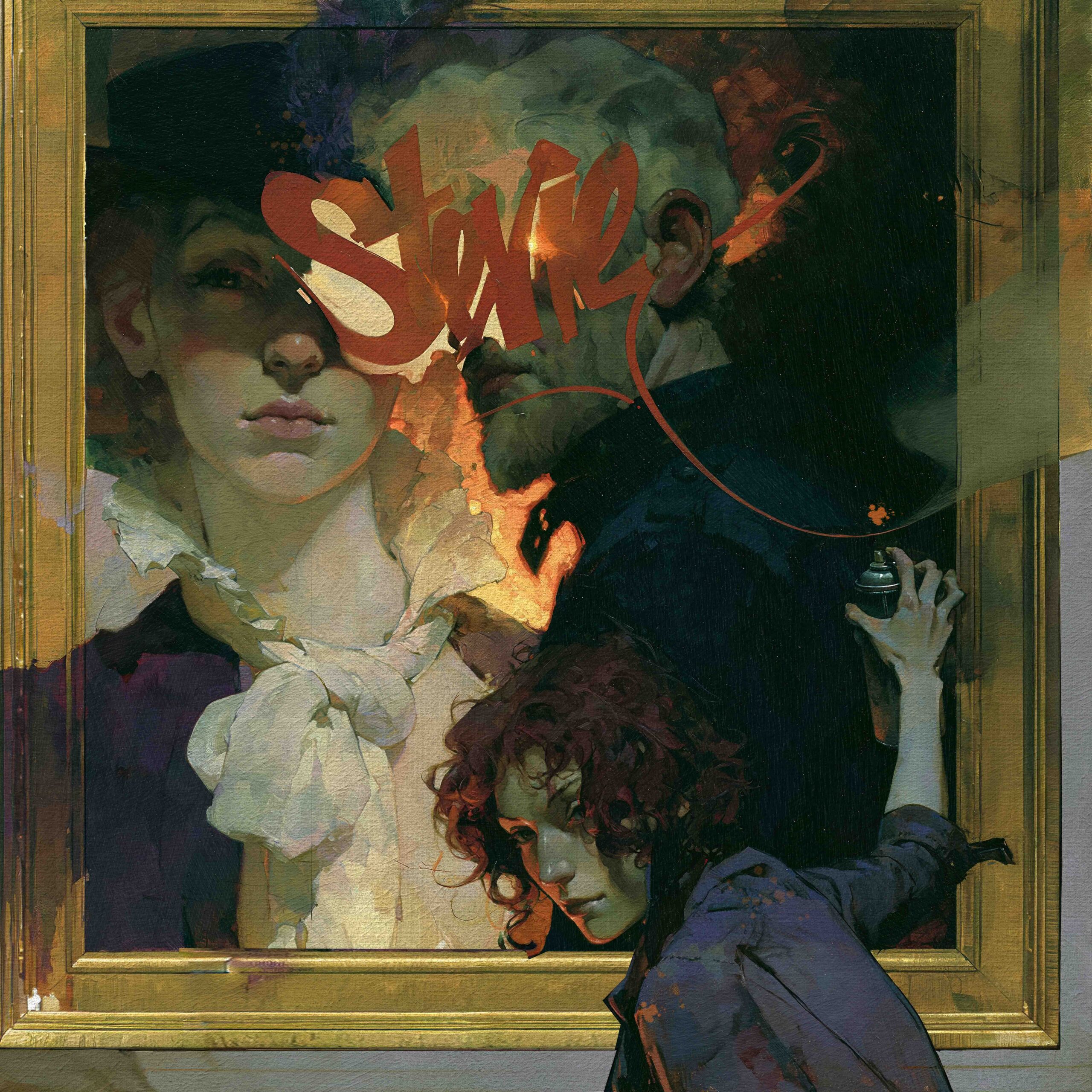
“The Spray Can Was Never The Crime 2”
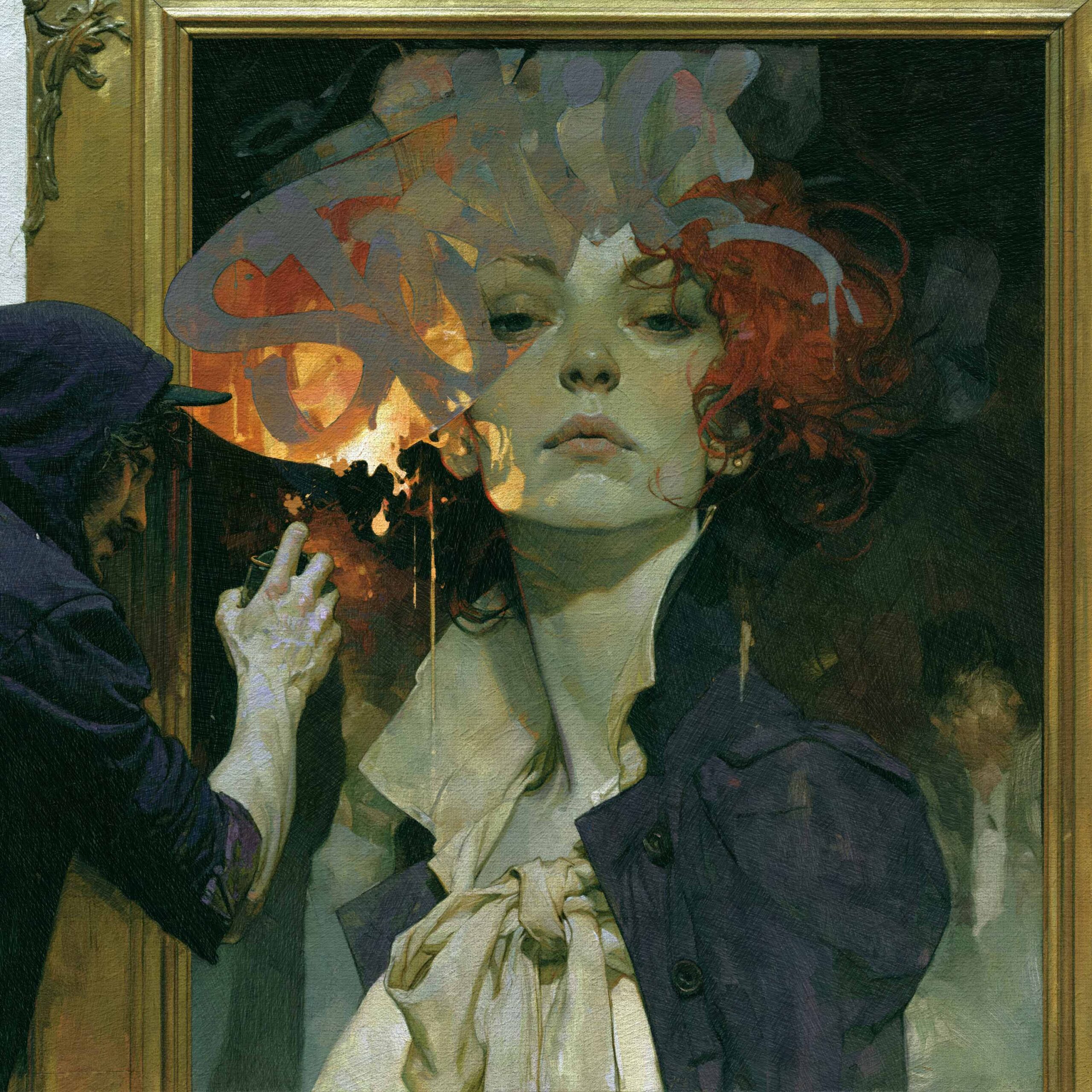
“The Spray Can was Never The Crime 1”
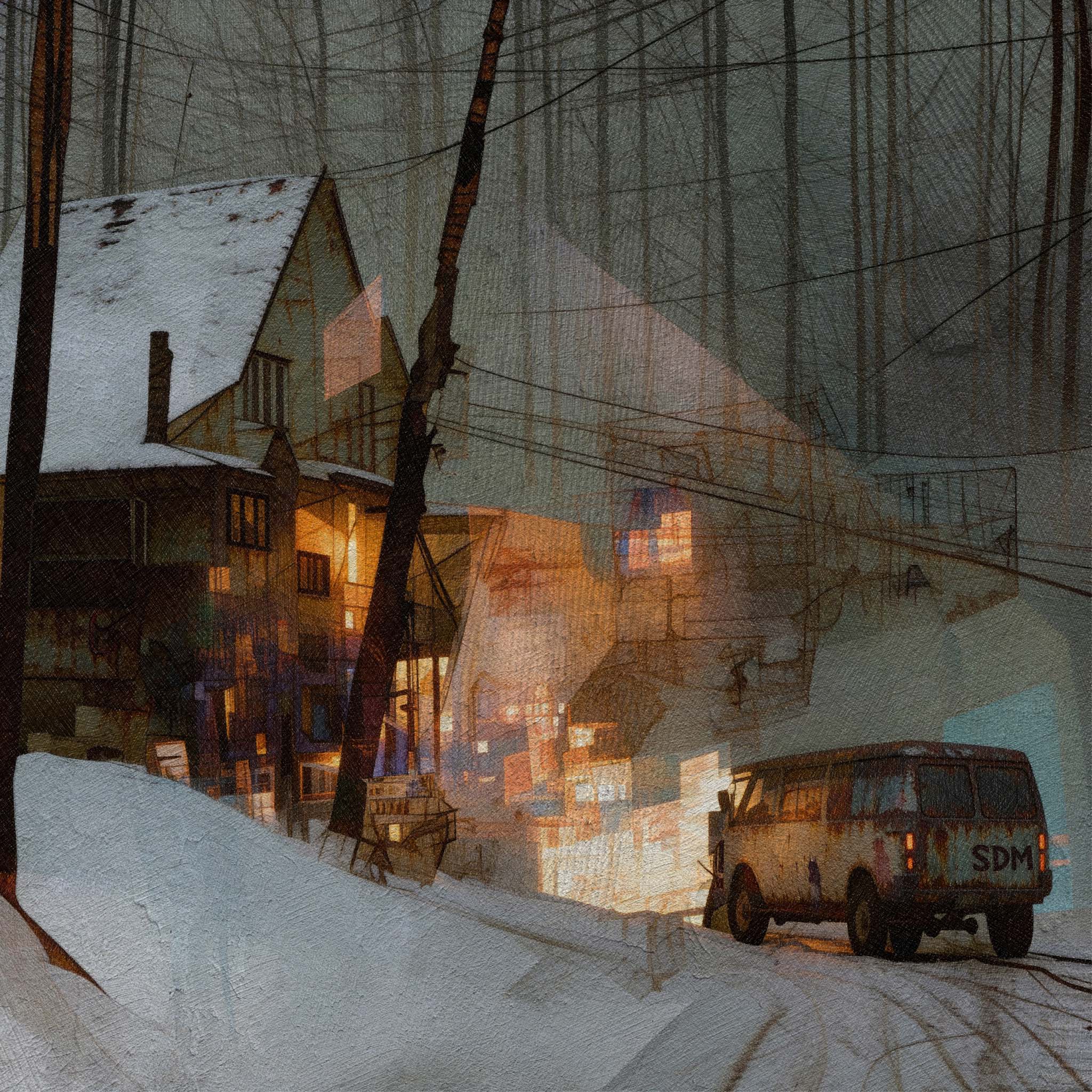
“9”
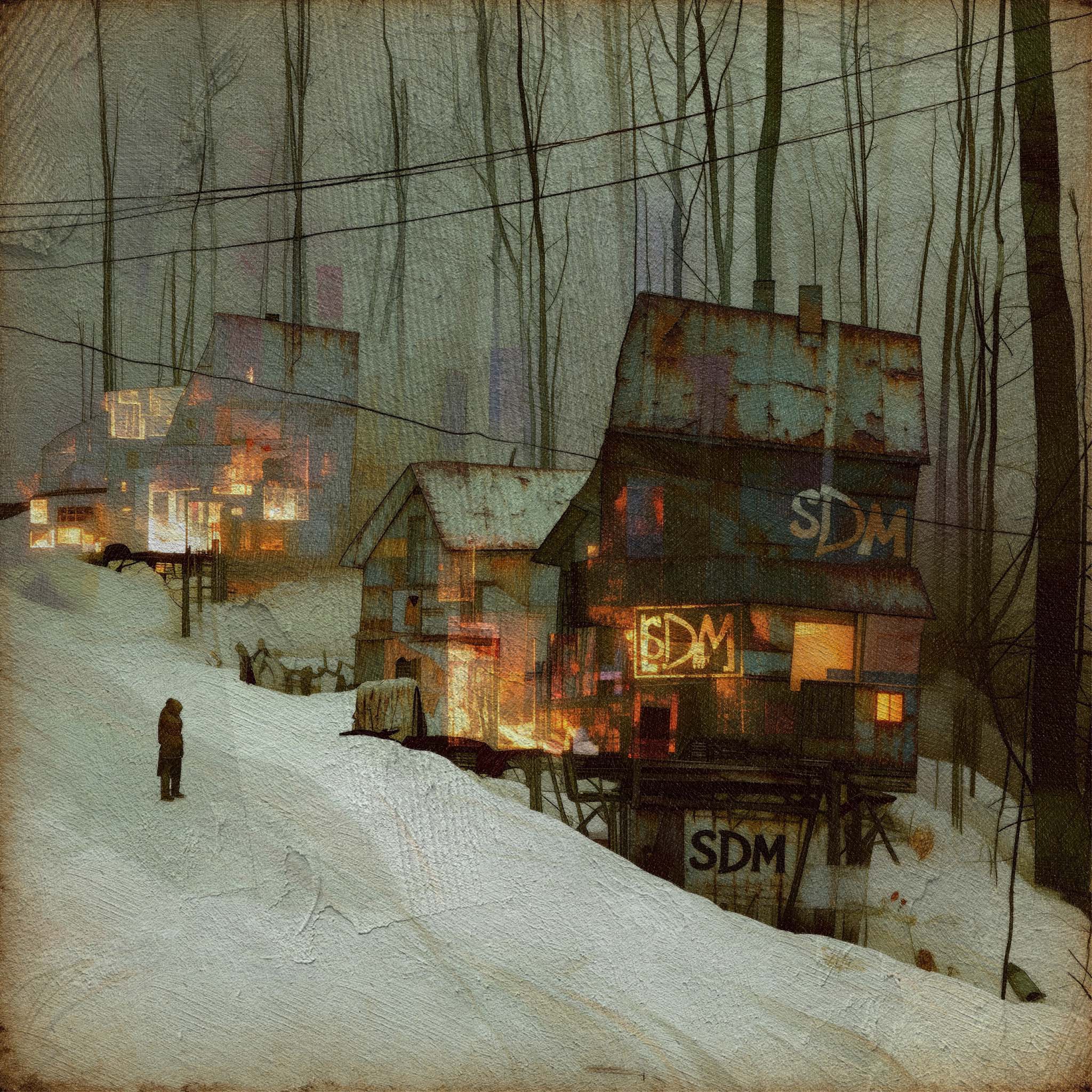
“7”
___________________________________
Steve McDonald is a widely recognized Canadian artist, illustrator, author, and educator whose work brings together traditional illustration and emerging digital technologies. He describes himself as an “image crafter,” a visual storyteller who is less interested in boundaries between mediums than in the ideas, worlds, and experiences an image can create.
A graduate of the Ontario College of Art & Design, Steve spent two decades as a founding member of the artist collective Drawnonward. The group’s work was featured in two CBC documentaries and the Genie-nominated film Seven Painters, Seven Places. He later gained international recognition for Chronicle Books’ Fantastic colouring book series. Between 2015 and 2017, he created more than 350 intricate drawings for the collection. Fantastic Cities sold more than half a million copies and helped define the modern adult colouring movement.
Steve is best known for his highly detailed line drawings and fantastical depictions of architecture, landscapes, and imagined worlds. His influences include Hiroshi Yoshida, Moebius, Hayao Miyazaki, Roger Dean, Eyvind Earle, Hergé, N.C. Wyeth, Norman Rockwell, Frank Frazetta, the Group of Seven, Frank Lloyd Wright, Lebbeus Woods, and Friedensreich Hundertwasser. He describes his current work as “escapist fantastical realism,” combining observation, invention, nostalgia, and subtle strangeness.
Although his practice is grounded in traditional drawing and painting, Steve now works primarily in digital formats. He combines custom diffusion models, generative tools, digital rendering, collage, and extensive hand-painted Photoshop work. An early adopter of generative image making, he regards AI as another stage in the continuing evolution of image craft. Its value depends on the imagination, judgment, and intentions of the person using it.
Steve teaches and lectures internationally on illustration, visual storytelling, and the practical and ethical integration of AI into creative practice. He has been a guest instructor at Pixar and advocates for an approach to new technology grounded in consent, credit, compensation, transparency, and respect for creators’ rights.
His work has appeared in The Guardian, The New York Times, The Atlantic, Architectural Digest, and on CBS Sunday Morning. Commercial clients have included Field Notes, Amazon, Amazon Prime, Blue Man Group, Entertainment Weekly, Indeed, The Times, and The Atlantic.
At the centre of Steve’s practice is a simple belief. Almost every medium and method is legitimate when it is used to create work that feels thoughtful, singular, and alive. He believes visual communication should be available to everyone, and that serious art can still be curious, playful, and capable of making us think more deeply about life.